Wildfire smoke now bigger prenatal threat than human sources of air pollution
Wildfire smoke poses a greater risk to prenatal development than traditional human-caused air pollutants, according to new evidence. This shift is linked to increased wildfire intensity driven by fossil fuel use.
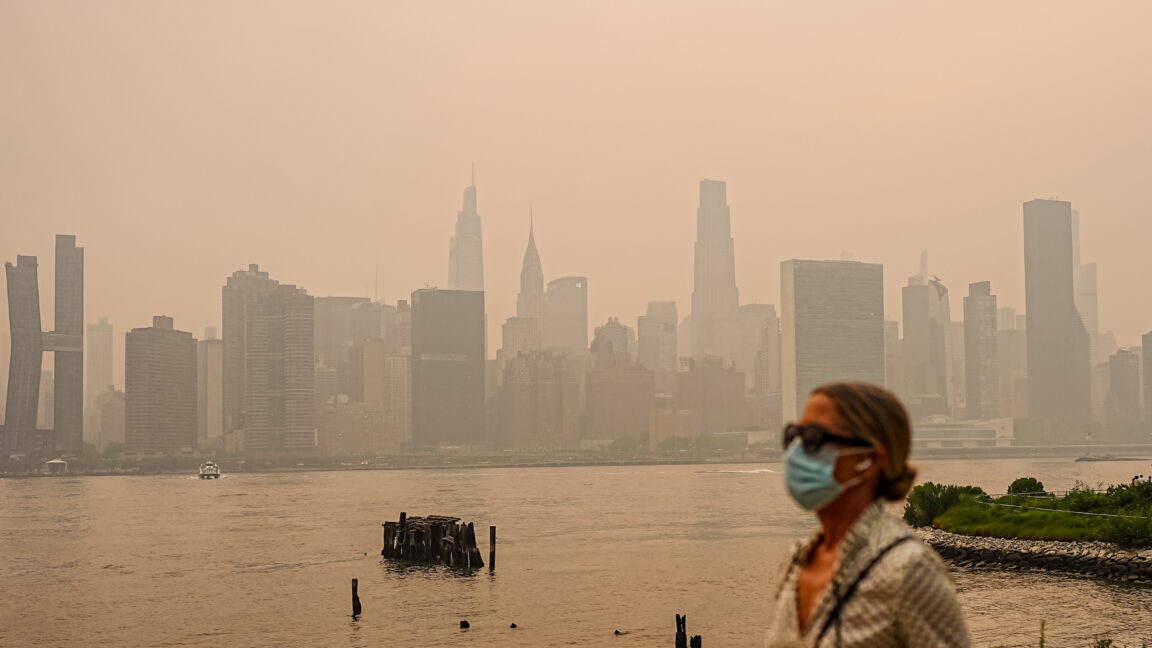
Wildfire smoke has emerged as a more significant threat to prenatal development than conventional human-generated air pollution from sources like vehicles and industry. This development contrasts with decades of progress in air quality, following legislation such as the 1970 Clean Air Act.
Since the Clean Air Act and its amendments, combined emissions of six key harmful air pollutants from industrial and vehicular sources have decreased by nearly 80 percent. However, mounting evidence indicates that the impact of wildfire smoke is now eclipsing these gains in air quality.
Research suggests that the unchecked burning of fossil fuels contributes to warmer, drier conditions, making wildfires more intense and widespread. The resulting toxic smoke that blankets communities is now understood to be more detrimental to fetal development than previously recognized pollution sources.
This growing body of evidence highlights the urgent need to address both wildfire mitigation and the broader reduction of air pollution, particularly emissions linked to fossil fuels, to safeguard the health of future generations.