Wing Commander IV and the FMV future that never quite was
Wing Commander IV represents a peak in the mid-1990s fascination with Full Motion Video (FMV) in games, a trend that ultimately failed to fulfill its promise of a seamless cinematic player experience.
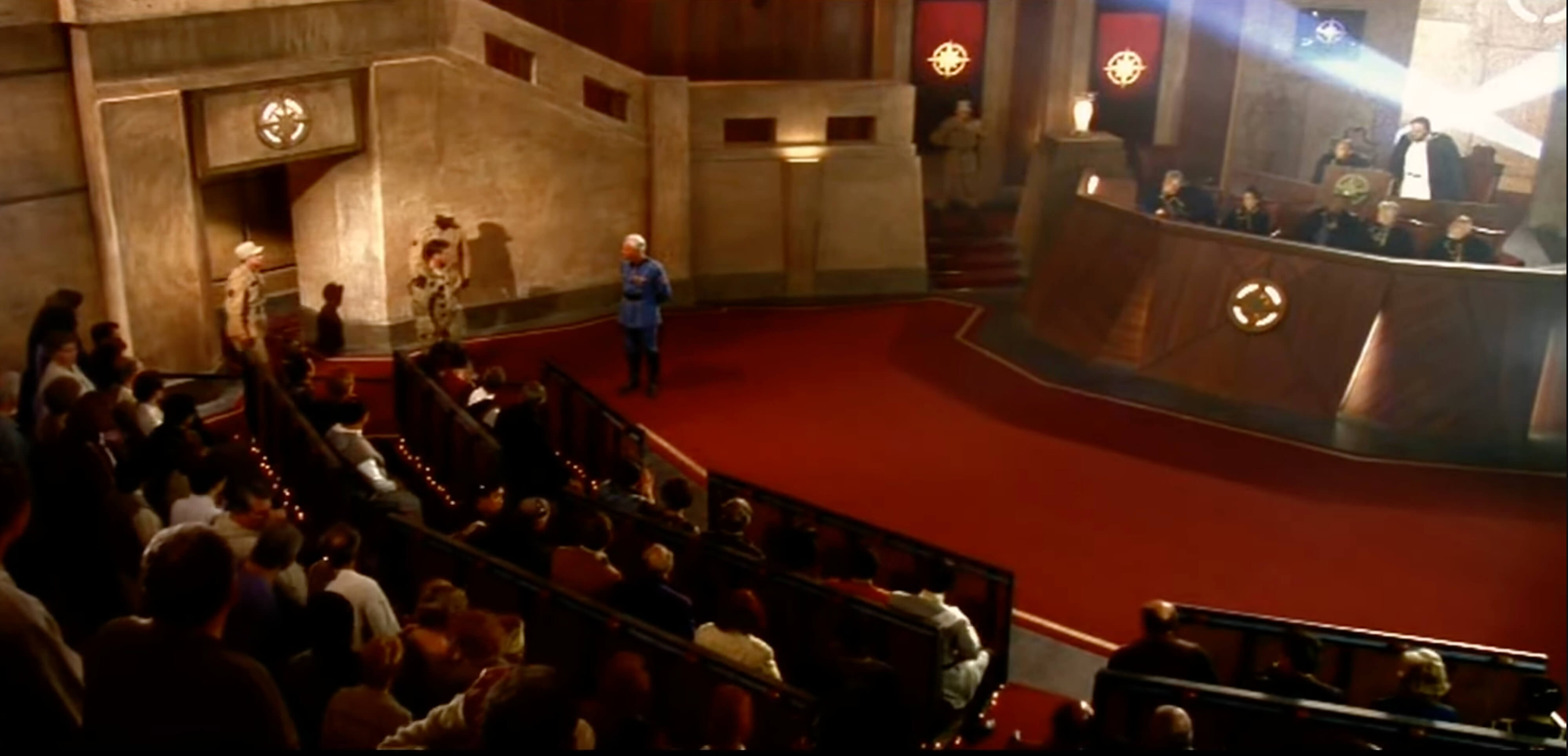
The mid-1990s, specifically the years 1996–1997, saw a significant trend in the video game industry toward Full Motion Video (FMV). This era aimed to blend Hollywood-level production values with interactive entertainment. A notable example from this period is 'Wing Commander IV: The Price of Freedom'. The game extensively utilized filmed video clips to advance its narrative and portray characters, seeking to create a more cinematic and immersive experience than previously possible.
Chris Roberts, the game's creator, envisioned games that could rival Hollywood productions in scope and quality. 'Wing Commander IV' embodied this ambition, featuring high-budget filming, known actors, and substantial special effects. The objective was to blur the lines between gaming and film, offering players unprecedented influence over the storyline.
Despite these considerable efforts, the FMV genre did not ultimately achieve the lasting revolution in gaming that was anticipated. Rapid advancements in real-time graphics technology within games made pre-rendered FMV sequences less compelling and sometimes visually dated in comparison. Many game companies, including Origin Systems, the developer behind 'Wing Commander,' faced financial difficulties during this period.
Games like 'Wing Commander IV' stand as an interesting chapter in gaming history, showcasing technological optimism and the continuous search for new narrative formats. While FMV did not reshape the industry as predicted, it left a mark on how games could tell stories and present themselves visually.