Woman's brain worm eggs identified after laboratory growth
Worm eggs found in a woman's brain were confirmed after showing signs of growth in a lab test. The infection led to neurological symptoms.
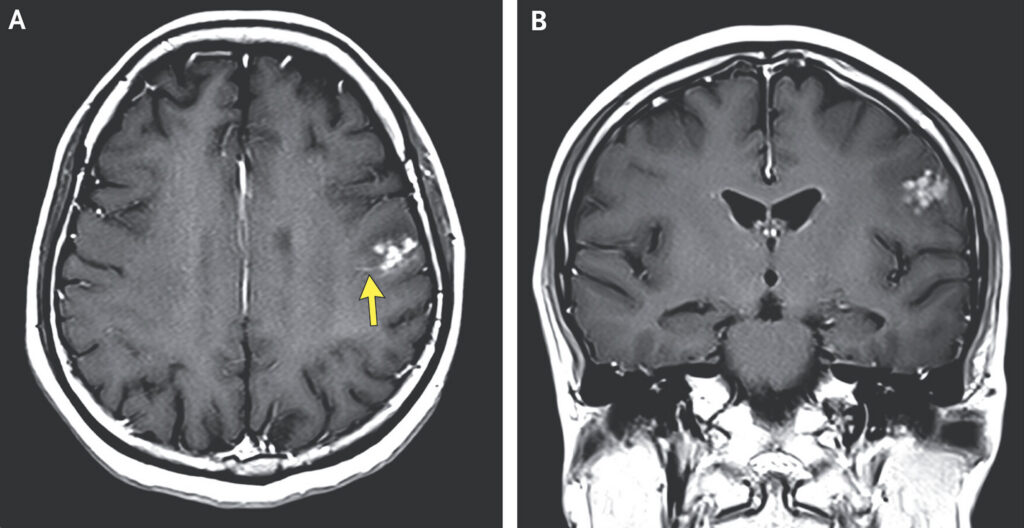
Worm eggs discovered in a woman's brain have been identified as a parasitic infection after showing signs of development in laboratory tests. The case report, published in the New England Journal of Medicine, details the diagnosis of neuroschistosomiasis.
The woman, a rice farmer in the Philippines, experienced sudden, uncontrollable shaking in her right arm and leg. Magnetic resonance imaging (MRI) of her brain revealed a cluster of nodules surrounded by fluid in her left frontal lobe, leading doctors to suspect parasitic worm eggs.
Physicians suspected neuroschistosomiasis, a rare complication of infection with a Schistosoma parasitic worm, also known as a blood fluke. The species commonly found in the Philippines is S. japonicum.
Laboratory analysis confirmed the presence of viable worm eggs, supporting the diagnosis. Neuroschistosomiasis can lead to serious neurological complications if left untreated.