World Cup Security Investments Spark Privacy Concerns
The 2026 FIFA World Cup has added over $1 billion in security systems, raising privacy concerns as governments and companies expand surveillance technology use.
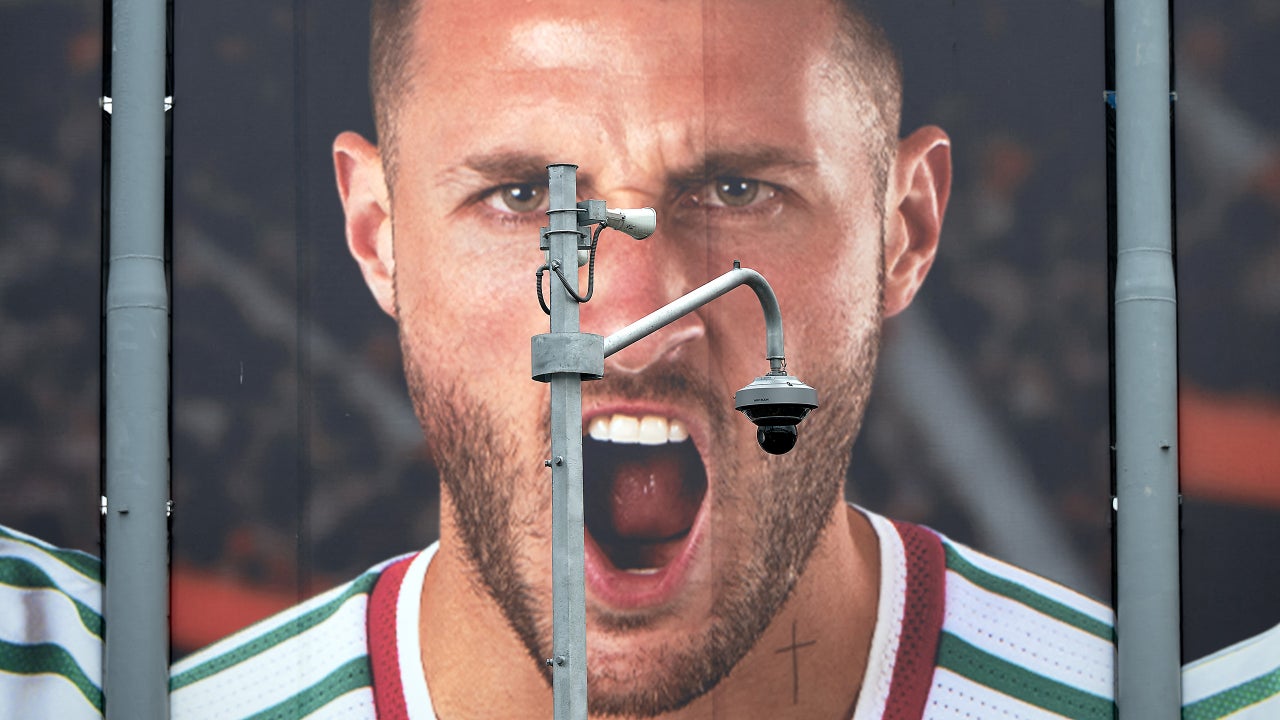
The 2026 FIFA World Cup, the largest sporting event in history, is also the most surveilled. Visitors and those traveling around host cities face extensive monitoring of their faces, behavior, and devices by governments and private companies.
The U.S. government has funneled more than $1 billion into security enhancements, covering transit hubs, stadiums, and surrounding areas. This investment has significantly boosted the private sector, particularly in the development and acquisition of surveillance technologies.
Much of this surveillance expansion is driven by the need to prevent unauthorized drone use. However, the growing partnership between government and private sectors in surveillance technology development raises significant privacy issues. Over 120 civil society groups, including Amnesty International and the ACLU, have issued a travel advisory warning of risks such as invasive social media screening, device searches, and racial profiling.
AI-driven surveillance, including facial recognition cameras at stadiums and advanced drone systems, is playing a major role. These technologies can collect and analyze biometric data, which may be retained and used in ways unknown and uncontrolled by individuals. Coupled with a lack of comprehensive data privacy laws and changes in U.S. immigration and gender policies, this creates heightened risks for travelers.
The key question remains what will happen to these extensive surveillance systems and the data collected after the World Cup concludes. The limited oversight and governance of these publicly funded technology partnerships make it difficult for the public to understand how data is collected, used, and shared, posing challenges for future transparency and data protection.