Wtrlss Digital Dyeing Slashes Water Use in Denim Production
Startup Wtrlss has developed a digital dyeing technology that reduces water consumption in jean manufacturing to nearly zero, utilizing bio-based dyes.
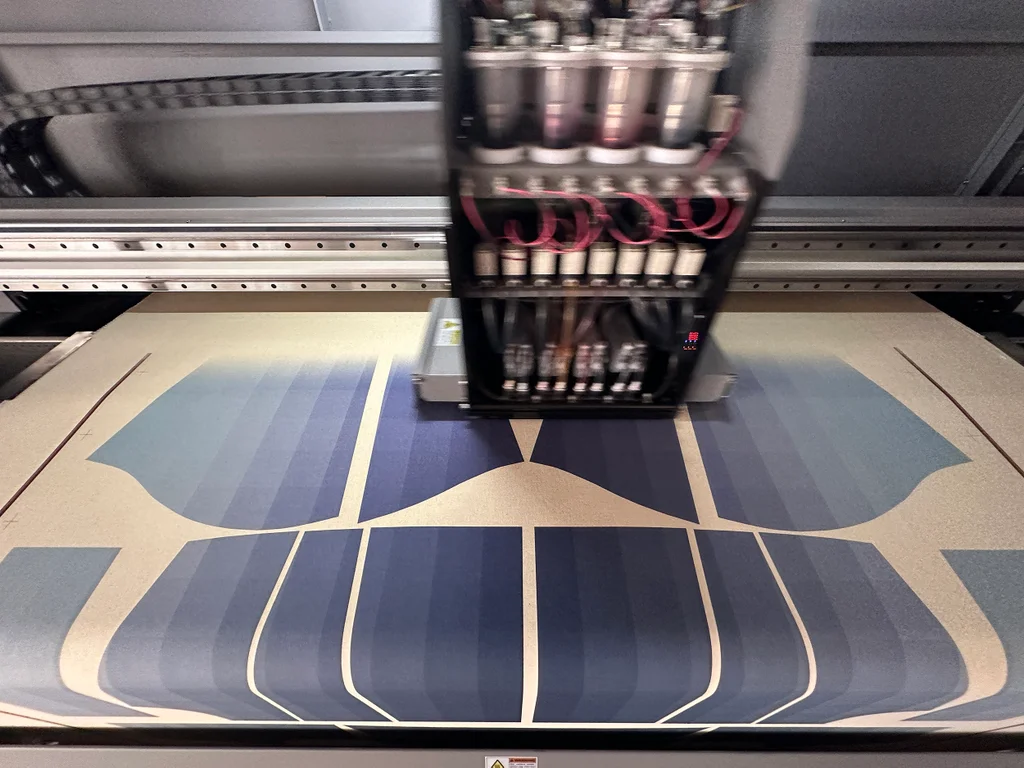
Startup Wtrlss has introduced a new digital dyeing technology poised to transform the denim industry by drastically cutting water consumption. Traditionally, dyeing a single pair of jeans requires approximately 75 liters of water and industrial chemicals. Wtrlss' patented biochemical dyeing process uses industrial-scale inkjet printers, consuming only about two tablespoons of water per pair and employing bio-based dyes.
The technology works by bonding the color directly to the fibers without additional steps, creating a look that Wtrlss states is indistinguishable from traditionally dyed denim. "We built the first indigo replacement color set that works with digital," said CEO Dustin White. "This is really a groundbreaking technology in the sense that it’s the first time we have indigo blue that can be deployed onto the fabric without indigo."
Wtrlss' process differs significantly from traditional dyeing, which involves lengthy steps, chemical alterations, and color removal. The digital process occurs in a single step directly onto undyed fabric. The depth of color and finish into the fibers is adjustable, giving designers full control over the final appearance and wear.
The new process reduces water usage by 99.99% and allows dyeing to occur closer to markets, simultaneously shortening production timelines and logistical costs. It also uses 90% less energy and reduces wastewater treatment expenses. Wtrlss reports that tested jeans have also shown increased durability.
The technology is currently in pilot testing with Ha-Meem Group, one of the world's largest denim manufacturers. Wtrlss believes its technology has the potential to shift the entire denim industry toward more sustainable manufacturing.