Young Consumers Skeptical of GLP-1 Drugs, Prioritize Skin Health
A new report reveals that a significant portion of young adults express skepticism towards GLP-1 medications and quick fixes, while prioritizing skin care and activewear.
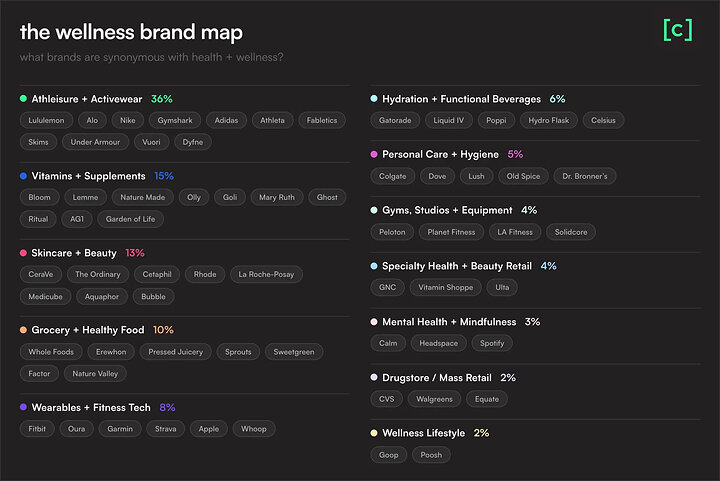
Cafeteria, a consumer intelligence platform, has released its "Next Gen Spenders: Health + Wellness Report," analyzing the health and wellness attitudes of Gen Z and Gen Alpha. The report, based on 240 hours of private conversations with 1,400 young individuals, indicates widespread skepticism towards GLP-1 medications and peptide injections. Over 72% of respondents stated they do not plan to incorporate GLP-1s into their health regimens, with 85% of Gen Z females rejecting peptides entirely.
Key concerns cited include the ethical implications of drug shortages and price increases for original diabetes patients, alongside opposition to the return of extreme "skinny" beauty standards associated with the early 2000s. This demographic increasingly views these drugs as potentially dangerous and contributing to unhealthy societal pressures.
While athleisure brands like Lululemon and Alo are top-of-mind for the "wellness brand" category, the report found that spending priorities differ. When given a $300 wellness budget, only up to 15% was allocated to activewear. Instead, substantial portions were directed towards skincare, haircare, and hair removal products.
Furthermore, young consumers are becoming highly discerning of wellness marketing, with vague claims, creator advertisements, and AI-generated content raising red flags. Nearly one-third of females identify coupon codes and affiliate links as immediate disqualifiers. The report suggests that authenticity and realistic claims, rather than exaggerated promises, build trust.
Wearable technology is also significantly influencing health decisions. Over 57% of Gen Next participants own or wish to own a wearable device. Data on steps, heart rate, and sleep are widely tracked and used to understand personal patterns, mood, and guide lifestyle choices, demonstrating a strong reliance on self-tracking for health management.