Zayed National Museum to Exhibit 7,000 Years of Camel History
The Zayed National Museum in Abu Dhabi is launching its first special exhibition, tracing the 7,000-year history of the camel in the UAE.
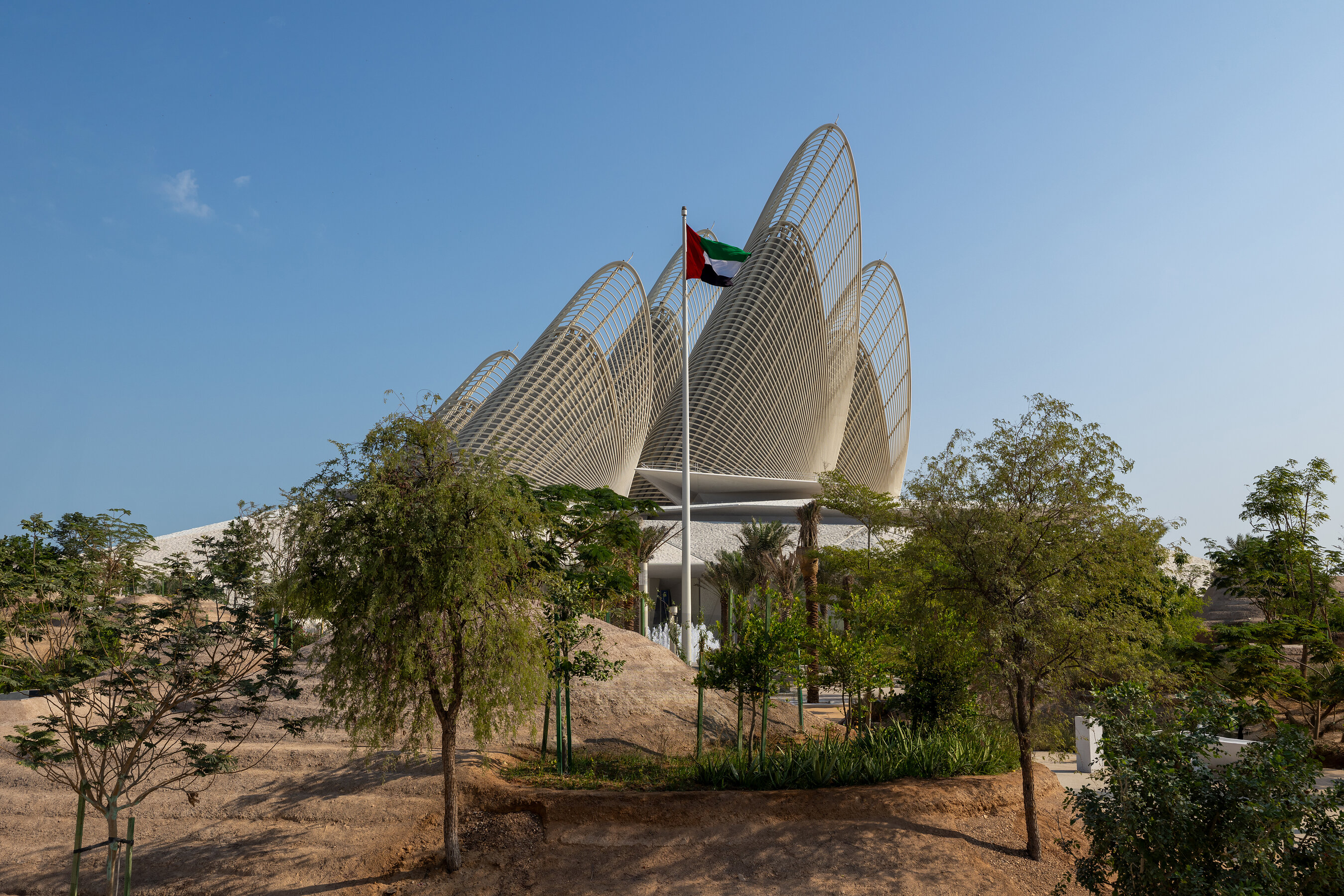
The Zayed National Museum, the UAE's national museum, has announced its inaugural special exhibition, titled "Tracks Through Time: The Camel in Society, Trade, and Art." Scheduled to open in early December 2026, coinciding with the museum's first anniversary, this exhibition marks the first global exploration of the camel's extensive 7,000-year history.
The exhibition will delve into the camel's role across society, trade networks, and creative cultures within the UAE and the broader region. It covers the camel's timeline from the earliest evidence of wild camels in the area to contemporary traditions. Highlights include Neolithic-era wild camel bones (4,500–4,000 BCE) from the Baynunah archaeological site in Abu Dhabi and Bronze Age finds (2,000–1,300 BCE) from Al Sufouh in Dubai.
"We are thrilled to present our first special exhibition, highlighting the profound significance of the camel to the Emirates' culture and the broader history of the UAE," stated Dr. Peter Magee, Director of the Zayed National Museum. "This exhibition represents our commitment to deepening the understanding of the UAE through original research and meaningful community engagement."
Further exhibits feature Iron Age bones (2600–550 BCE) from Saruq Al Hadid in Dubai, offering some of the earliest global evidence of camel domestication. The display also includes a rare 1840s children's book, 3,000-year-old rock art from Fujairah depicting camels, and UAE postage stamps illustrating camels throughout different eras. Audiovisual components will showcase archival photographs, film footage, and UNESCO-recognized oral traditions, such as camel calls.