Zero Gap Fund Leverages $30M to Mobilize Over $1B for Development Goals
A collaboration between The Rockefeller Foundation and the MacArthur Foundation reports $30 million in catalytic capital has mobilized over $1.05 billion in private investment for UN Sustainable Development Goals.
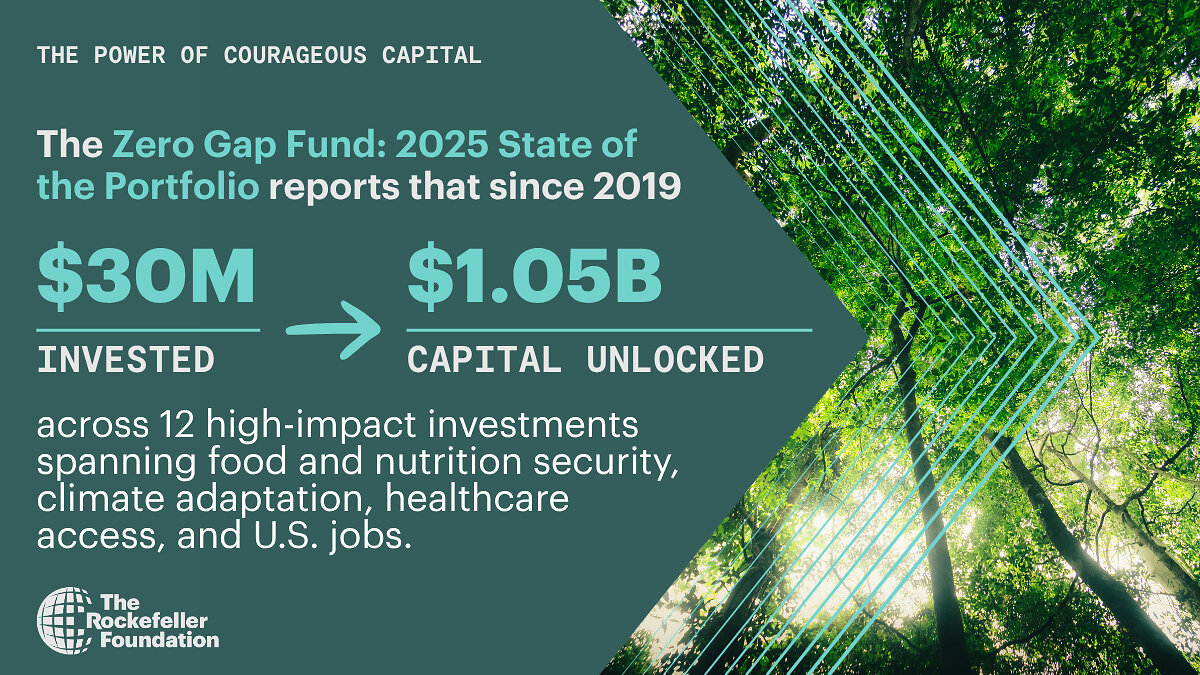
New York – The Rockefeller Foundation has released a comprehensive report highlighting the critical role of catalytic capital in addressing global challenges. The Zero Gap Fund (ZGF), a collaboration with the John D. and Catherine T. MacArthur Foundation, has successfully leveraged its $30 million to mobilize over $1.05 billion in private investment. These funds have been directed towards 12 high-impact projects spanning food security, climate adaptation, and healthcare access.
The report indicates a significant leverage ratio of approximately 35x for the investments. Since its inception in 2019, the deployed $30 million has generated over $1.05 billion in private financial commitments. This achievement comes at a time when official development assistance is being reduced in many countries, underscoring the importance of private and philanthropic capital in advancing sustainable development.
The Zero Gap Fund was established in 2019 with the aim of closing the financing gap for achieving the UN's Sustainable Development Goals, which was previously estimated at $2.5 trillion annually. Recent estimates suggest this financing gap has widened to over $4 trillion per year, making the role of catalytic capital even more critical.
Slav Gatchev, Vice President of Innovative Finance at The Rockefeller Foundation, noted that strategic catalytic capital can unlock resources far beyond its own size. He emphasized that this model offers a pathway to create jobs, strengthen climate resilience, and improve lives globally, particularly amidst constrained public budgets.