Zuckerberg's yacht drew criticism for not responding to assistance request in Alaska
A yacht owned by Meta CEO Mark Zuckerberg is facing criticism after not immediately responding to a call for assistance from a disabled vessel in Alaska. The Coast Guard clarified the situation did not constitute a distress call, meaning no legal obligation to help existed.
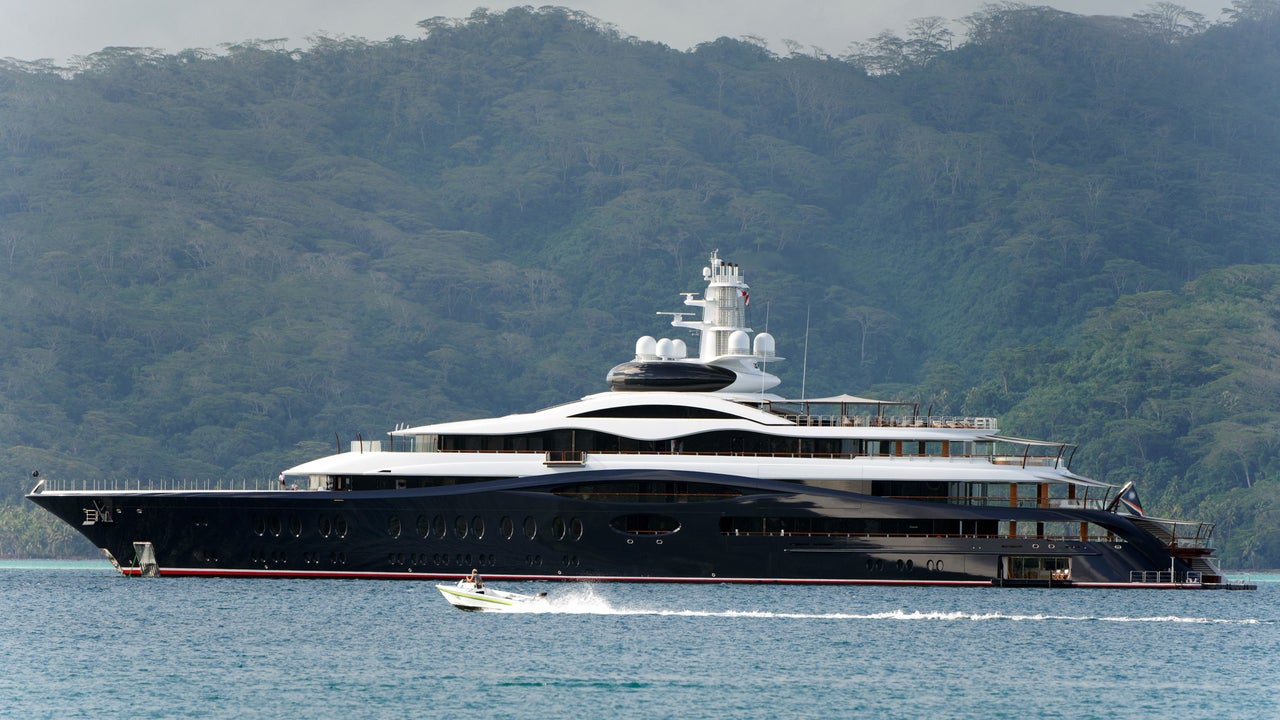
Alaska – A yacht owned by Meta CEO Mark Zuckerberg faced criticism after its crew did not immediately respond to a request for assistance from a disabled skiff off the coast of Alaska. The incident gained public attention after a passenger on a cruise ship claimed the yacht "refused" to help. However, the U.S. Coast Guard stated the smaller vessel was not in distress, negating any legal obligation for the yacht to provide aid.
Margitime law expert Ian Ralby explained that the obligation to assist applies only in actual distress situations. "It's the difference between calling roadside assistance and 911," Ralby stated. "If you need an ambulance on site, that's a distress call. If you need someone to give you a jump start or tow your car, you call roadside assistance." He emphasized that while both scenarios require help, the legal obligations to respond are distinct.
The incident occurred on August 3. The 21-foot Hewescraft skiff ran out of fuel. The Coast Guard received an initial hail around 9:32 p.m. and determined approximately 25 minutes later that the vessel was not in distress. An assistance request was then issued, and the cruise ship Wilderness Legacy responded, towing the skiff to Farragut Bay and assisting with refueling.
Zuckerberg's spokesperson, Brian Baker, stated the yacht's crew did not immediately hear the radio call. By the time they reviewed the Coast Guard's contact on a different channel, assistance was already underway. "We're grateful all parties are safe," Baker said. Zuckerberg and his family were not aboard the 387-foot yacht, named Launchpad, at the time. Retired Coast Guard Captain Aaron C. Davenport confirmed that running out of fuel is not considered a distress situation under maritime law, meaning the yacht was under no obligation to assist.